How to Identify a Water Leak

Signs of Water Leaks

Learning how to identify a water leak is a strong first defense against costly water damage. A sudden change in a water bill or a persistent musty odor can indicate a hidden plumbing issue. This guide provides an overview of the most common warning signs, explains a simple water meter check, and clarifies when professional leak detection and water leak repair are recommended. Here’s where to begin the search.

High Water Bills

An unexplained rise in a water bill often points to a concealed water leak somewhere in the system. Comparing billing statements over similar seasons helps reveal patterns; steady increases without a change in routine usage usually warrant attention. In many cases, plumbing lines, fixtures, or irrigation components allow water to escape slowly, driving costs up while leaving few visible clues indoors.

Prompt investigation can prevent ongoing water damage and mold concerns. A basic review starts with checking toilets for silent running, inspecting under-sink connections, and looking around appliances and outdoor lines for damp areas. If billing trends still look unusual, professional leak detection is the next step. Specialists can isolate problem areas with non-invasive methods and recommend targeted leak repair. Acting early limits waste, helps stabilize future water bills, and reduces the chance of structural issues caused by lingering moisture.

Other Signs of a Water Leak

shower head Utility costs are not the only indicator of trouble. Low water pressure at faucets or showerheads can suggest a line allowing water to escape before it reaches fixtures. Sounds of running water when all taps and appliances are off also indicate movement in the plumbing network that merits inspection. These cues, combined with condensation on lines or around fittings, point to conditions where water leak repair may be required.

Visual changes provide additional evidence. Discoloration on ceilings or walls, peeling paint, warped flooring, and spots of microbial growth signal moisture intrusion consistent with hidden leaks and potential water damage. Musty odors in specific rooms, especially near bathrooms, kitchens, or laundry areas, can accompany small but persistent drips. When these symptoms cluster—reduced pressure, unexplained dampness, or stains—professional water leak detection can locate the source and guide a timely repair plan. The sooner the issue is identified, the easier it is to limit material damage and restore normal operation.

Use the Water Meter

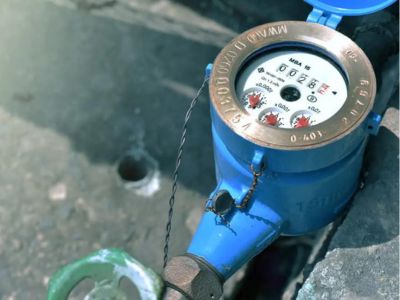
water meter A water meter can help confirm whether a leak is present. Begin by shutting off all known water uses inside and outside the property, including taps, ice makers, and irrigation zones. Record the current reading on the water meter. Wait for a period without using water, then check the meter again. Any movement during that interval suggests water is flowing through the system and may indicate a hidden water leak between the meter and interior fixtures.

This simple check is useful for detecting even small, ongoing losses. If the test indicates flow, or if wet areas, higher-than-expected water bills, or the sound of running water persist, arranging professional water leak detection is the logical next step. Trained technicians can pinpoint the problem with specialized tools and complete water leak repair to stop the loss. In cases where lines or fixtures are deteriorated, more extensive leak repair may be recommended to prevent future failures and safeguard finishes from water damage.

About Chosen Rooter & Plumbing

Chosen Rooter & Plumbing is a family-owned and operated plumbing company proudly serving San Francisco and beyond with honest, transparent, high-quality service. Call them today for flat-rate pricing on leak repair services in San Francisco, CA.

Distribution Links +

When Is Water Softener Installation Necessary?

Signs of Hard Water and Water Softeners Explained

Considering a water softener installation often starts with everyday frustrations caused by hard water. Stubborn soap scum, chalky scale around fixtures, and dry, irritated skin all point to mineral-heavy water that can quietly wear down plumbing and appliances. A well-chosen water softener system can address these issues at the source, elevating water quality across the entire property. The sections below outline clear signs of hard water, how a modern water softening system works, and the wide-ranging benefits of a whole-home water softener.

Signs Indicating Hard Water

dry hair Hard water leaves visible and tactile evidence throughout a home. In bathrooms and at kitchen sinks, soap tends to form residue rather than a rich lather, and glassware often dries with a cloudy film or white spots despite careful washing. Many households notice that hair feels dull and difficult to rinse clean, while skin can remain tight or itchy after showers. These are common hallmarks of mineral buildup interfering with soaps and shampoos.

Laundry offers additional clues. Fabrics may lose softness over time, towels can feel stiff, and colors sometimes appear muted as deposits accumulate in fibers through repeated cycles. Around fixtures, chalky deposits appear along faucets and showerheads, and scale can collect inside aerators. Over time, similar buildup within pipes and appliances can restrict flow and reduce water pressure, making showers feel weaker and shortening the time between cleanings.

When multiple signs appear together—spotting on dishes, increased cleaning effort, persistent scale on fixtures, and lower-than-expected water pressure—hard water is a likely culprit. In these cases, water softening provides a comprehensive solution that reaches every tap when implemented through a whole-house water softener.

How Does a Water Softener Work?

A modern water softener system typically relies on ion exchange, a proven water softening method that targets the minerals responsible for hardness. Hard water enters a resin tank filled with tiny beads designed to attract calcium and magnesium. As water passes through, hardness minerals bond to the resin and are exchanged for a small amount of sodium or potassium, resulting in softened water that is gentler on plumbing, skin, and fabrics.

To maintain performance, the system periodically regenerates. During regeneration, a brine solution flushes the resin, removing accumulated hardness minerals and restoring the beads for continued use. This cycle is usually scheduled during low-demand hours and is managed automatically by the water softening system’s controls.

The outcome is softened water that supports cleaner rinsing, improved lathering, and reduced scale formation. Because hardness minerals are significantly reduced, surfaces remain clearer, fixtures stay cleaner longer, and appliances that use hot water experience less mineral stress. For properties seeking full-coverage treatment, a whole-home water softener installed at the point of entry ensures softened water reaches every fixture and appliance, including those dedicated to laundry and bathing.

Benefits of Whole Home Water Softeners

save money Installing a whole home water softener or whole house water softener provides property-wide improvements that go beyond cosmetic changes. Reduced scale helps protect pipes, valves, and water-using appliances from premature wear. Dishwashers, washing machines, and other equipment operate more smoothly when hardness minerals are minimized, and cleaning tasks often require less effort because soap scum and spotting are less persistent.

Softened water also enhances daily routines. Soap and detergent tend to lather and rinse more effectively, which can improve the feel of hair and skin and help fabrics retain softness after washing. Fixtures and shower doors stay clearer between cleanings, and the ongoing need for scrubbing mineral deposits diminishes substantially. Over time, the combination of easier maintenance and reduced mineral stress can help extend the useful life of plumbing fixtures and household appliances.

Selecting the right water softener installation involves confirming system size, regeneration settings, and valve configuration to match water usage patterns. For homes with variable demand or distinct zones, a tailored water softener system or advanced water softening system with smart controls can maintain consistent results while optimizing salt and water use. When properly sized and commissioned, these systems provide an unobtrusive, long-term solution to persistent hard water problems.

In properties where hard water has caused long-standing scale, a brief cleanup period may follow installation as existing deposits are gradually managed through normal use and routine care. Pairing a quality water softener with sensible maintenance—such as periodic checks of salt levels and simple prefilter changes where needed—helps sustain reliable operation.

In short, hard water leaves a trail of spotting, residue, and wear that affects comfort and infrastructure alike. A professionally configured water softener installation delivers consistent water softening throughout the home, helping protect fixtures and appliances while streamlining everyday cleaning and personal care.

About Chosen Rooter & Plumbing

Chosen Rooter & Plumbing is a family-owned and operated plumbing company in San Francisco known for being reliable, knowledgeable, and affordable. They offer flat-rate pricing and trusted technicians who get the job done right the first time. Call them today for water softener services in San Francisco, CA.

Distribution Links +

Easy Tips to Help Prevent Drain and Sewer Line Clogs

Ways to Avoid Clogging Drain and Sewer Lines

Tired of slow drains and recurring clogs? While this could be an indication of a larger sewer line issue, another possible cause is bad drain habits leading to a clogged drain line or sewer line in need of professional drain cleaning. Clogged drains and sewer lines are a common plumbing problem, but many of them are preventable with a few simple habits. This blog post will share some easy-to-implement tips that can help keep the pipes clear and free from blockages.

Be Careful What Is Flushed

be careful what is flushedOne of the biggest culprits of clogs is flushing the wrong items down toilets. Toilets are designed to handle human waste and toilet paper. Other items, such as paper towels, feminine hygiene products, dental floss, hair, cotton balls, and wipes, even when labeled flushable, can easily get caught in pipes and accumulate over time, leading to significant blockages. Always dispose of these items in a garbage can instead of the toilet to help prevent clogging.

Even toilet paper, when used in excessive amounts, can contribute to clogs. While toilet paper is designed to break down in water, a large wad of toilet paper can sometimes be too much for the plumbing to handle in a single flush. To prevent this, try to use less toilet paper, or, if a larger amount is necessary, consider flushing in stages to allow smaller amounts to clear the bowl and pipes effectively.

Avoid Putting Food Waste Down the Kitchen Sink

avoid putting food waste down the kitchen sinkThe kitchen sink drain is another common entry point for clog-causing materials. While garbage disposals can grind up food scraps, they don’t eliminate the potential for blockages. Putting the wrong things down garbage disposals and drains can lead to a drain clog or sewer line clog. Grease and oil, when cooled, solidify and cling to pipe walls, accumulating over time and leading to clogs, so they should never be put down the drain.

Other things that should never go down drains include coffee grounds, eggshells, foods that retain water, such as rice or pasta, potato peels or other fibrous foods, nuts, and more. It’s best to scrape any food waste directly into the trash or a compost bin before washing dishes to avoid sending unwanted items down the kitchen sink drain, reducing the risk of frustrating drain and sewer line clogs.

Use Drain Screens

A simple yet highly effective way to help prevent clogs is to use drain screens throughout the household. These inexpensive mesh devices can be placed over the drains in sinks, showers, and bathtubs. They act as a physical barrier, catching common clog-causing culprits like food waste, hair, soap scum, and small debris before they have a chance to enter the pipes.

Regularly emptying the collected material from these drain screens into the garbage instead of allowing them to go down the drains can significantly reduce the amount of unwanted items that make it into drain lines and sewer lines. This proactive measure is an easy and low-maintenance way to help prevent stubborn clogs.

About Chosen Rooter & Plumbing

Chosen Rooter & Plumbing is a family-owned and operated business serving the San Francisco area. They offer flat-rate pricing, high-quality service, and the latest technology. Call them for drain cleaning services in San Francisco, CA.

Distribution Links +

Gas Leak Warning Symptoms

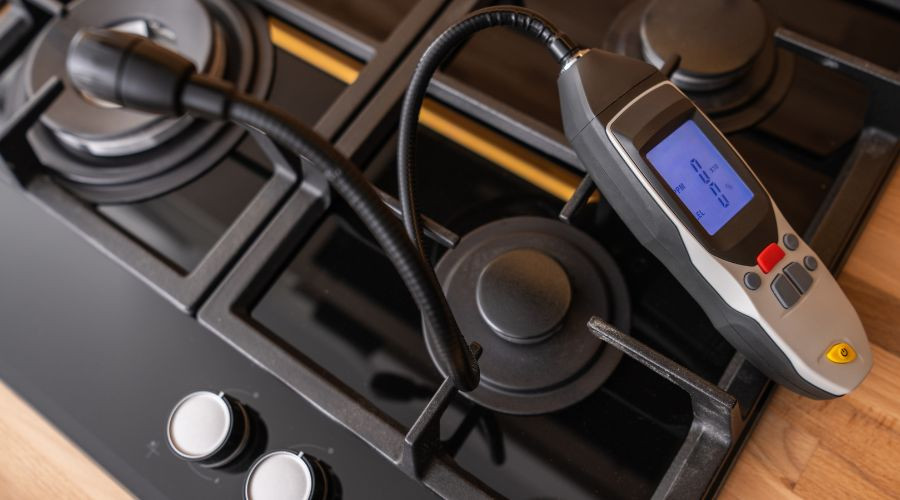
Gas detector on stovetop with digital display.

Gas leaks are a serious safety hazard that can have disastrous consequences if not promptly and properly addressed. Understanding the signs of a gas leak is crucial for ensuring the safety of individuals and communities. This article provides a clear and authoritative overview of the most common indicators of gas leaks, offering essential knowledge to help detect potential dangers early.

Strange Smells or Sounds

sounds One of the most immediate and recognizable indicators of a gas leak is the presence of strange smells or sounds. 

Natural gas is inherently odorless, but for safety purposes, a chemical called mercaptan is added to give it a distinct, unpleasant odor similar to that of sulfur or rotten eggs. This strong, unmistakable smell is an early warning system, alerting individuals to the potential danger.

Unusual sounds can also signify a gas leak. A hissing or whistling noise near gas lines or appliances may indicate gas escaping from a crack or puncture. These sounds often persist even in a quiet environment and can vary in intensity depending on the gas pressure and size of the leak.

These sensory cues are essential for prompt detection and response to a gas leak. Ignoring them can lead to gas build-up, which poses risks of poisoning, explosions, or fires. Therefore, if you detect these warning signs, it is crucial to act swiftly by evacuating the area and contacting the relevant authorities or a gas company for assistance.

Higher Gas Bill

bills An unexpectedly high gas bill can be more than just an unwelcome surprise; it may be an important alert to a potential gas leak. When gas consumption in a household remains consistent, yet the bill shows a significant increase, it could indicate that gas is escaping from the system, leading to inefficiencies and increased costs.

Homeowners should remain vigilant and regularly monitor their monthly gas expenses. Keeping a record of gas usage and associated costs over time can help identify any unusual spikes that warrant further investigation. Even when energy use habits have not changed, an unexplained rise in charges should prompt immediate attention.

Investigating the cause of a higher gas bill can help in the early detection of possible leaks and prevent the risks associated with undetected gas leaks, such as potential health and safety risks. 

Should an anomaly occur, it is advisable to contact a qualified professional to inspect the gas lines and systems for any signs of leaks, ensuring the safety and efficiency of the household’s gas usage.

Physical Symptoms

Gas leaks pose significant risks to the property and the health of both humans and pets. Recognizing the physical symptoms of gas exposure can be crucial for early detection and prompt action. Below are the detailed symptoms that individuals and pets may experience when exposed to a gas leak

Symptoms in People:

  • Eye and Throat Irritation: Exposure can cause a burning sensation in the eyes and throat, often resulting in watering eyes or a persistent sore throat.
  • Nausea: Individuals may feel queasy or experience an upset stomach, which may escalate to vomiting in more severe cases.
  • Fatigue: Unexplained tiredness or lethargy can occur even with adequate rest, inhibiting daily activities.
  • Breathing Complications: Difficulty breathing, shortness of breath, or a feeling of heaviness in the chest can arise due to gas inhalation.
  • Headache: Persistent headaches with no other apparent cause can indicate low-level gas exposure.
  • Dizziness: A sense of lightheadedness or loss of balance might occur, making movements feel unstable or unusual.

Symptoms in Pets:

  • Loss of Appetite: Pets may suddenly refuse food or eat significantly less, indicating discomfort.
  • Vomiting: Similar to humans, pets may exhibit nausea, which can lead to vomiting.
  • Breathing Complications: Pets may pant excessively, wheeze, or struggle with normal respiration.
  • Lethargy: A typically active pet may become unusually calm or uninterested in play or exercise.

When such signs are present, especially in combination, it’s crucial to evacuate the affected area immediately, seek fresh air, and contact professionals to assess and resolve the potential gas leak. Quick response protects the health of all home occupants and mitigates the broader risks associated with gas leaks.

About Chosen Rooter & Plumbing

Chosen Rooter & Plumbing has a combined 12 years of experience in repairing plumbing systems accurately. They use the latest technology to fix systems quickly and correctly. Contact them today for gas leak detection services in San Francisco, CA.

A Comprehensive Guide to Expert Drain Cleaning

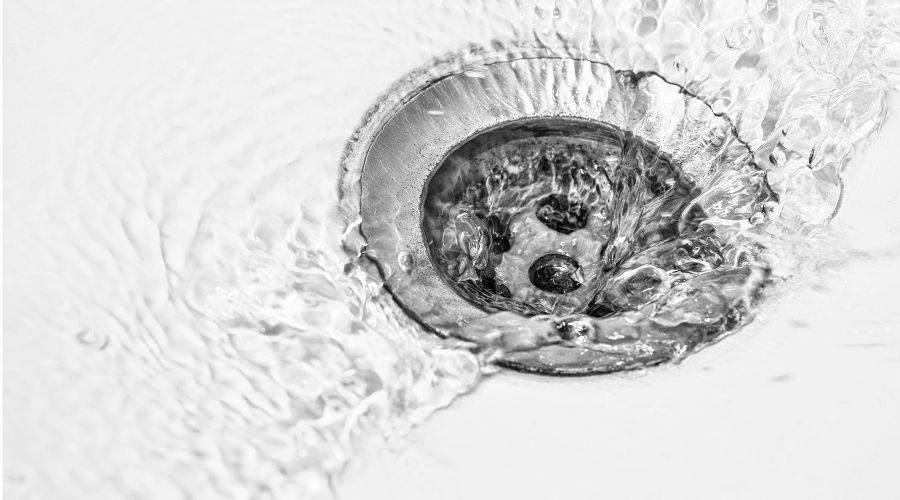
Water swirling down a sink drain.

What Is Drain Cleaning?

A clogged drain is more than just an inconvenience—it can lead to costly home repairs and unsanitary living conditions. Slow-draining sinks, strange pipe noises, or unpleasant odors from drains can be signs that proper drain-cleaning techniques are needed. While quick-fixing chemical solutions or ignoring the issue may seem tempting, understanding professional drain cleaning methods helps maintain the plumbing system’s health and prevent future problems. This guide explores essential methods, tools, and preventive measures used to keep drains flowing smoothly, ensuring a well-functioning plumbing system at home.

Signs Drain Cleaning Is Needed

clogSeveral unmistakable warning signs indicate the need for professional drain cleaning. Multiple slow-draining fixtures, especially on lower floors, often point to a main sewer line problem rather than a localized clog. Gurgling sounds from drains, toilets bubbling when the sink runs, or water backing up in unexpected places (like water appearing in the shower when the washing machine is running) signal that the sewer system may need attention.
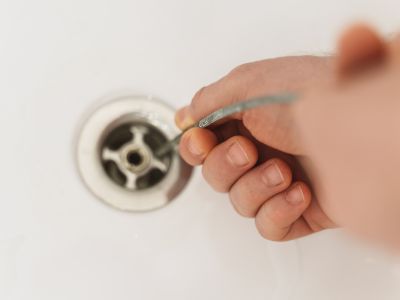
Persistent foul odors from drains, recurring clogs that conventional clearing methods can’t fix, and visible water damage or wet spots along the sewer line path are additional signs that professional intervention is required. These symptoms could suggest more serious issues like tree root infiltration, pipe collapse, or significant debris buildup. If multiple fixtures drain slowly simultaneously or sewage backs up through floor drains, prompt professional drain cleaning is essential to prevent health hazards and property damage.

Drain Snaking

drain snakingA drain snake, or plumber’s snake, is a specialized tool consisting of a long, flexible metal cable with a coiled spring at the end, designed to clear stubborn clogs. Motorized versions, often used by professionals, can extend from 25 to 100 feet into the plumbing system, reaching blockages deep within the pipes. The spiral head of the snake either breaks up debris or hooks onto it, allowing the clog to be pulled back out through the drain opening.

Drain snaking’s primary advantage is its versatility. It handles various blockages, from hair and soap scum to tree roots and mineral buildup. Unlike chemical cleaners, which can damage pipes or only partially clear obstructions, a properly operated drain snake removes clogs effectively while being gentle on plumbing systems. Professional-grade snakes come with different head attachments, suited for specific types of blockages and pipe sizes, making them an essential tool for any plumbing job.

Hydro-jetting

Hydro jetting is an advanced drain cleaning method that uses highly pressurized water, typically between 1,500 and 4,000 PSI, to clear and clean drain pipes. A specialized hose with a multi-directional nozzle is inserted into the drain system, releasing high-pressure water that scours pipe walls and breaks down stubborn blockages, including grease, mineral deposits, tree roots, and other debris that traditional methods may not clear.

What distinguishes hydro-jetting from traditional snaking is its thorough cleaning approach. While a drain snake only creates a hole through the clog to restore flow, hydro-jetting cleans the entire circumference of the pipe, removing all buildup and restoring the pipe to near-original condition. This comprehensive cleaning not only resolves current blockages but also helps prevent future clogs by smoothing rough surfaces and eliminating debris residue. The powerful water pressure can reach areas that mechanical methods can’t access, making hydro-jetting ideal for both severe residential clogs and commercial plumbing systems.

About Chosen Rooter & Plumbing

Chosen Rooter & Plumbing is a family-owned and operated plumbing company serving in the San Francisco area and beyond. They offer the latest technologies but only charge flat-rate prices. Call them for drain cleaning or rooter services in San Francisco, CA.

Need a Bathroom Upgrade? Check Out These Common Bathroom Remodeling Tips in 2025

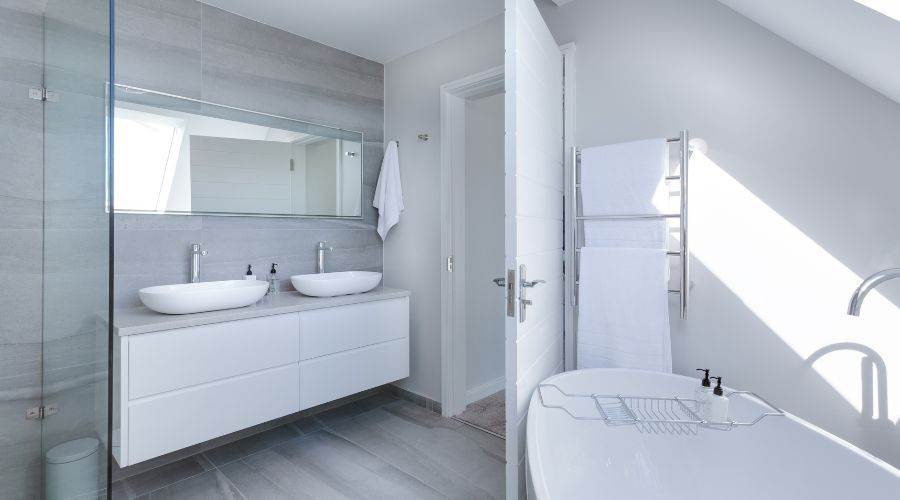
Modern bathroom with double sinks and bathtub.

Top Bathroom Renovations for the New Year

For homeowners ready to say goodbye to outdated showerheads or bathroom sinks, there’s no better time to upgrade their bathroom than in the New Year. With guidance from experienced local plumbers, homeowners can select and install the perfect showerhead, sink, and bathtub to increase their comfort and their home’s value.

In this post, top expert plumbers share tips on planning a bathroom remodel, helping homeowners design a functional and stylish space to meet a household’s unique needs. 

Showerheads: What Homeowners Need to Know

shower head A shower doesn’t just have to be a mundane morning task. It can be a relaxing, spa-like experience for homeowners if they install the right type of showerhead. Modern designs offer a variety of options to suit any household’s needs and style preferences:

  • Eco-Friendly Showerheads: These water-saving showerheads are designed to reduce water usage without sacrificing pressure, helping to lower utility bills while delivering a satisfying shower.
  • Luxury Rainfall Showerheads: These showerheads create a spa-like experience by mimicking the soothing sensation of rainfall, which is perfect for relaxation after a long day.
  • Versatile Showerheads with Adjustable Settings: These showerheads feature multiple spray options, from invigorating jets to gentle mists, allowing every family member to personalize their shower experience.

Upgrading to a modern showerhead is a simple and affordable way to enhance the functionality and design of a home’s bathroom.

Vanity or Sink Replacements: Useful Styles in Homes

Homeowners looking to refresh their bathroom’s look without committing to a full renovation can achieve dramatic results by upgrading their bathroom faucet, sink, or vanity. These small but impactful changes can transform an outdated space, blending practicality with modern style.

Here are some inspiring options for homeowners to consider for sinks and vanities:

  • Dual Sink Setups: Perfect for families or couples, dual sinks offer enhanced convenience and organization. They streamline morning routines while adding storage space and a polished, functional design tailored to busy households.
  • Contemporary Vanity Designs: Wall-mounted vanities save valuable floor space while introducing a sleek, modern aesthetic. This minimalist design creates an open, airy feel and adds a touch of sophistication to any bathroom.
  • Statement Faucets: Upgrade the sink with bold faucets to create focal points, combining practicality with luxury.

By incorporating these updates, homeowners can achieve a bathroom makeover that balances style, functionality, and a refreshed sense of comfort.

Bathtub Installations: Styles to Consider

bathtubTransforming a bathroom can be as simple as installing a new bathtub. Modern bathtubs combine style, comfort, and luxurious features, making them an excellent addition to any space – and changing a drab, outdated bathroom into a contemporary space.

Here are some popular bathtub options to consider:

  • Standalone Bathtubs: These freestanding tubs serve as a striking centerpiece, adding a spa-like ambiance and timeless elegance to the bathroom.
  • Built-In Tubs: These tubs are perfect for smaller spaces to integrate seamlessly into the bathroom’s layout, offering a practical and stylish solution.
  • Whirlpool Tubs: Equipped with soothing jets, whirlpool tubs provide a relaxing, spa-like massage experience, bringing luxury into the home.
  • Deep Soaking Tubs: Crafted for full-body immersion, deep soaking tubs offer an indulgent and therapeutic bathing experience, ideal for unwinding after a long day.

Installing a new bathtub enhances the bathroom’s comfort and functionality and creates a fresh, modern, and inviting retreat.

About Chosen Rooter & Plumbing

The experienced team at Chosen Rooter & Plumbing offers excellent plumbing and rooter services to the Bay Area. A family-owned and operated company, their plumbers undergo weekly training, and they offer flat-rate pricing. Call them today for bathroom renovations in San Francisco, CA.

Protect Your Plumbing System By Scheduling Routine Maintenace in the New Year

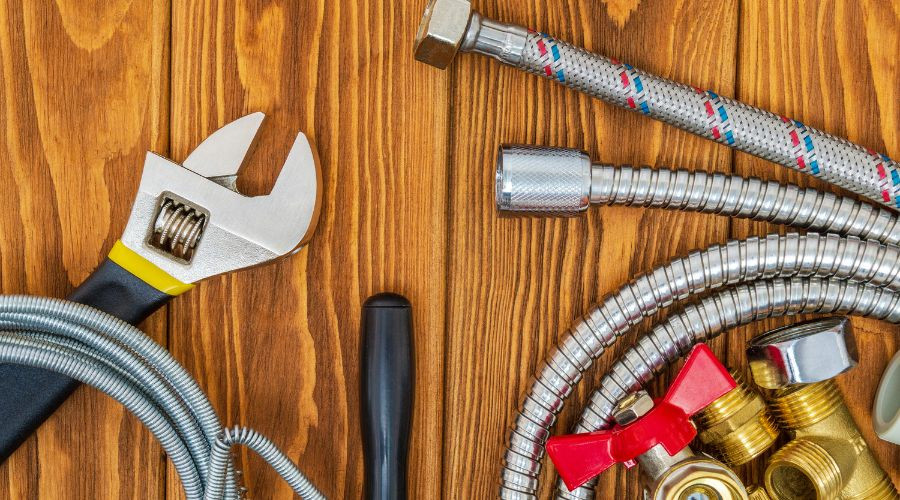
Plumbing tools and fittings on wooden surface.

Top Reasons to Schedule Plumbing Maintenance Services

As we approach 2025, it’s a great time for homeowners to make regular plumbing maintenance a key part of their New Year’s resolutions. By proactively addressing potential issues, they can keep their plumbing systems in tip-top shape, avoid costly repairs, and enjoy various benefits. Routine maintenance helps fend off unexpected disruptions and enhances the plumbing system’s overall efficiency.

In this article, plumbing experts discuss regular maintenance’s importance and outline its significant benefits.

Why Households Need Plumbing Maintenance

save money Regular plumbing inspections provide a variety of advantages. Enlisting the help of a qualified plumber for routine maintenance ensures that plumbing systems operate safely and efficiently. Some of the primary benefits include:
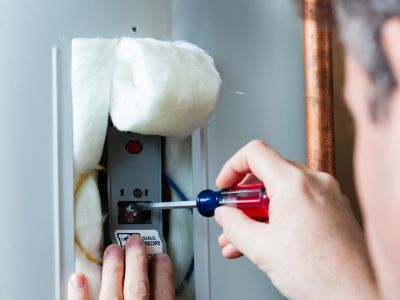
  • Preventing Serious Problems: Annual or semi-annual maintenance programs offered by plumbers can help identify minor plumbing issues before they escalate into major problems.
  • Addressing Issues Early: Regular inspections can spot minor issues such as small leaks or worn parts, enabling repairs before they escalate into more expensive and extensive problems.
  • Avoiding Expensive Replacements: Addressing minor issues quickly can help prevent them from becoming larger, more expensive problems later.
  • Boosting Water Efficiency: Fixing leaks conserves water and helps lower high utility bills.
  • Improving System Performance: Ongoing maintenance ensures plumbing systems run smoothly, minimizing energy use and reducing utility costs.

Routine inspections help ensure optimal water pressure and quality, improving daily comfort and functionality. Regular plumbing maintenance leads to long-term savings and provides peace of mind. Overall, investing in regular maintenance reduces expenses, and homeowners can be assured that the plumbing system is running smoothly.

Why Experts Should Perform Plumbing Maintenance

Homeowners with the right knowledge and tools can tackle minor plumbing repairs themselves. However, it’s wiser to hire a professional plumber to ensure safety and prevent potential complications for complex or critical issues.

Professional plumbing maintenance goes well beyond basic DIY approaches like using drain cleaners. Skilled plumbers conduct thorough inspections and offer vital services that keep homes’ plumbing systems running smoothly and efficiently. Some of these essential plumbing services include:

  • Examining Pipes and Fixtures: Plumbers carefully inspect pipes and fixtures for leaks, corrosion, or damage, resolving potential issues before they develop into larger problems.
  • Clearing Drains and Pipes: Experienced plumbers eliminate blockages and buildup to ensure the system remains clog-free and water flow stays uninterrupted.
  • Monitoring Water Pressure: Plumbing experts adjust water pressure to optimize system performance and protect pipes and fixtures from damage caused by high or low pressure.
  • Inspecting Appliances: A skilled plumber verifies that appliances such as dishwashers and washing machines are installed correctly and properly, preventing leaks and wear.
  • Analyzing Sewer Lines: Plumbing pros use advanced technology to identify sewer line issues early, helping to avoid costly backups and extensive repairs.

In many states, homeowners can handle minor plumbing and electrical repairs themselves. However, the challenge is to do the work correctly, ensure safety, and maintain a professional appearance to preserve the home’s resale value.

Committing to professional routine maintenance is a smart investment. It helps catch small issues before they escalate, enhances the efficiency of their plumbing system, and prolongs its lifespan—ultimately saving homeowners time, money, and stress.

Why Households Need Water Heater Maintenance

water heater When homeowners arrange for plumbing maintenance, it’s also a good idea to include water heater maintenance. Since hot water is crucial for daily tasks such as cooking, cleaning, and bathing, ensuring that the water heater runs smoothly can help prevent the hassle of running out of hot water.

During a maintenance visit, plumbers carry out various tasks to keep the water heater operating efficiently, including:

  • Flushing the Tank: Sediment buildup inside the tank can reduce performance. Flushing the tank removes these deposits, improving efficiency and extending the heater’s lifespan.
  • Checking the Anode Rod: The anode rod protects the tank from rust and corrosion. Plumbers inspect its condition and replace it if needed to keep the heater working reliably.
  • Identifying Leaks or Corrosion: Early detection of leaks or rust helps avoid expensive repairs and increases the water heater’s longevity.
  • Testing the Thermostat and Pressure Relief Valve: These components regulate water temperature and ensure safety. Regular testing ensures they work correctly and helps prevent potential hazards.

Routine maintenance offers a wide range of benefits that go beyond simply preventing problems. Some of these benefits include:

  • Better Energy Efficiency: A well-maintained water heater operates more efficiently, reducing energy consumption and lowering utility bills.
  • Fewer Unexpected Failures: Regular system checking minimizes the risk of sudden malfunctions, ensuring a steady hot water supply.
  • Longer Lifespan: Routine care reduces wear and tear, extending the water heater’s life and delaying costly replacements.

Regular water heater maintenance will boost the unit’s energy efficiency, lower repair costs, and ensure a continuous hot water supply.

About Chosen Rooter & Plumbing

The experienced team at Chosen Rooter & Plumbing provides top-rated plumbing services to the San Francisco Bay Area. They offer affordable, reliable, and knowledgeable services. Call them today for plumbing services in San Francisco, CA.

Water Filtration System Installations: Top Benefits for Households

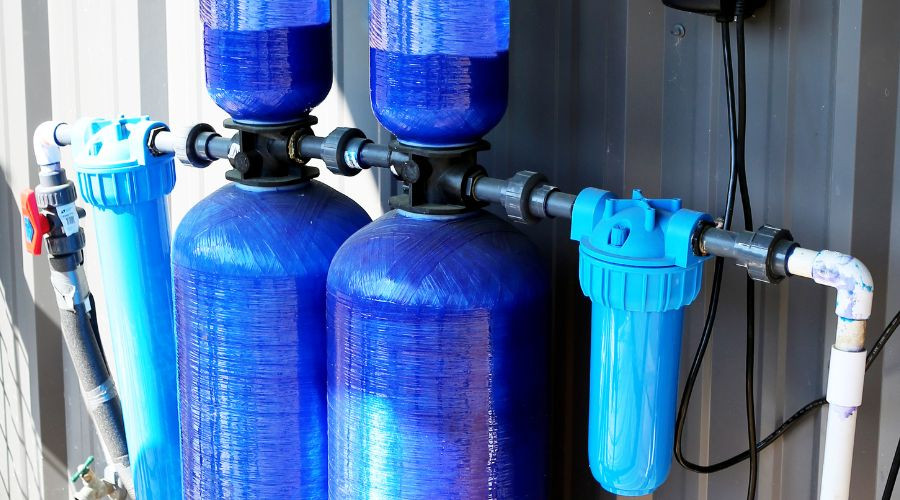
Water filtration system with blue tanks.

Why Homes Should Install Whole House Water Filters

If homeowners notice signs of hard water on their appliances or don’t trust their drinking water, they must act fast to make their water safer and cleaner. A whole-home water filter installation can be the ideal solution.

These units can efficiently remove contaminants from a home’s tap water to keep families safe and healthy. In this post, San Francisco plumbers explain the top advantages water filtration systems provide and how they work.

Basics on Water Filtration Systems

Water filtration systems are designed to remove contaminants from a home’s water supply. It makes the water safer and even tastes better. How these systems work depends on the type of unit homeowners install.

Three of the most common types of water filters are reverse osmosis systems, whole-house carbon filters, and sediment filters.

  • Reverse Osmosis Systems: These are highly effective for filtering contaminants like heavy metals, pesticides, and dissolved solids. They force water through a semipermeable membrane that retains contaminants, permitting only pure water molecules to move through. Typically placed as point-of-use systems beneath kitchen sinks, they can also be modified for whole-house filtration.
  • Whole-House Carbon Filters: Carbon filters are ideal for whole home water systems. They remove chlorine, pesticides, VOCs, and other chemicals that affect water taste and odor. These filters use activated carbon to provide cleaner and better-tasting water for the household.
  • Sediment Filters: Frequently used as pre-filters, sediment filters capture larger particles such as sand, dirt, and rust. This protects finer filters in the system from clogging and helps extend the life of the entire filtration system, making it a cost-effective choice.

Property owners should seek advice from a plumber on which type of filter is most suitable for their home.

Advantages of Water Filtration Systems

water When homeowners are concerned about the safety of their tap water and resort to buying bottled water for drinking or basic household tasks, installing a water filtration system can be a much better solution.
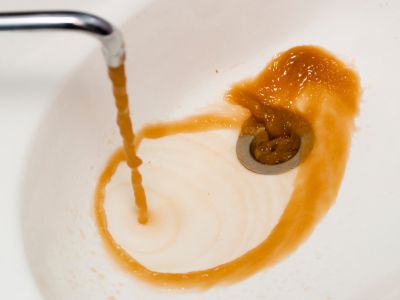
A water filtration system is a great addition to a home. It will help improve the household’s overall health, make the water taste better, protect the plumbing system, and allow for healthier skin and hair. 

Here’s how they do it:

Improved Health: Whole-house filtration systems remove harmful contaminants like lead, chlorine, pesticides, and bacteria, ensuring safer, cleaner water for everyone. By filtering out these potentially harmful substances, homeowners can protect family members—especially young children, older people, and those with compromised immune systems—from health risks associated with ingesting or absorbing impurities.

Enhanced Taste and Odor: Filtration systems eliminate unpleasant tastes and odors caused by tap water chlorine, sulfur, and other chemicals. This significantly improves the taste and smell of drinking water, making it more enjoyable for drinking, cooking, and preparing coffee or tea. This also reduces the need for bottled water, leading to cost savings and a lower environmental impact.

Protection for Plumbing and Appliances: Filtered water reduces mineral buildup and corrosion in pipes and appliances. By removing sediment, minerals, and corrosive chemicals, a filtration system helps lengthen the lifespan of plumbing, water heaters, dishwashers, and washing machines, saving homeowners money on repairs and replacements. They’ll also notice fewer mineral deposits on faucets, showerheads, and dishes.

Healthier Skin and Hair: Chemicals like chlorine in unfiltered water can dry out skin and hair, leading to irritation and dryness, particularly for those with sensitive skin or conditions like eczema. Filtered water is gentler on skin and hair, leaving skin softer and shinier—a benefit especially appreciated in dry winter when extra care is needed.

Signs Homes Need a Water Filtration System

dirty water When does a home need a water filtration system? There are several signs property owners can watch for – including unpleasant odors, odd tastes, hard water, tinted water, and health concerns like skin irritations.

If household members smell chlorine or sulfur in their water, it may indicate chemical contaminants or high mineral levels. A water filtration system can effectively remove these odors, improving taste and smell.

Cloudy or discolored water can indicate sediment, rust, or other impurities. A sediment filter in a filtration system helps keep the water clear and free from particles, ensuring safer and more appealing water.

Hard water, characterized by mineral deposits on dishes, faucets, and showerheads, indicates that a filtration system might be necessary. Hard minerals lead to buildup that can damage appliances. A whole-house system can reduce these minerals and protect your plumbing and fixtures.

Finally, persistent skin irritation or hair dryness can be linked to chemicals in unfiltered water. If family members experience dryness or irritation after bathing, a water filtration system can provide gentler, filtered water that’s kinder on skin and hair.

A whole-house filtration system can help households resolve these issues and enjoy safer, cleaner water.

About Chosen Rooter & Plumbing

Chosen Rooter & Plumbing offers quality plumbing services in San Francisco with highly-trained plumbers and flat-rate pricing. As a family-owned business, they provide affordable and reliable services. Call them for your water filtration needs in San Francisco, CA.

Water Leak Symptoms Homeowners Should Know

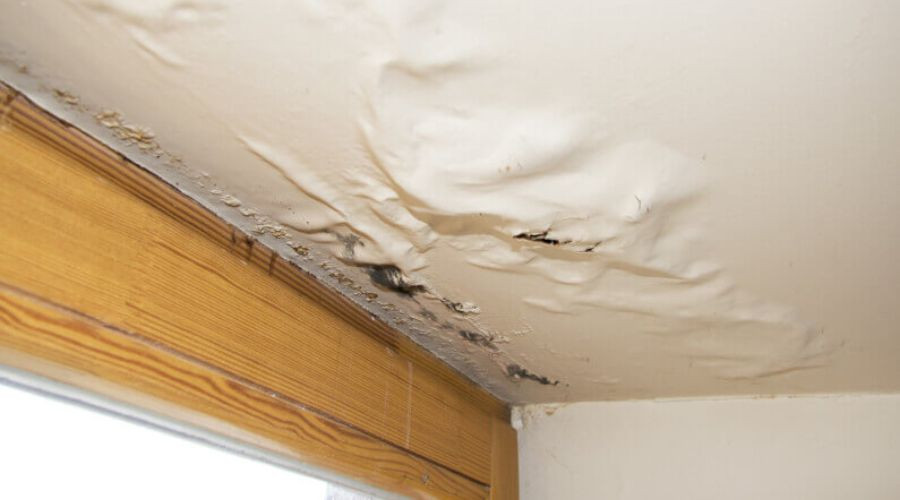
Ceiling water damage near window frame.

Common Signs of Water Leaks

When water damage occurs in a house due to a leak in the plumbing, it can result in time-consuming clean-up services and expensive repairs. Households don’t want to spend time and money dealing with water damage or the growth of mold or mildew.

Homeowners can help prevent these problems by identifying signs of water leaks as soon as possible and calling a plumber for water leak detection and repair. This post will discuss some common signs of water leaks so homeowners can identify them quickly.

Suddenly Higher Water Bills

high water billsAn unexplained increase in a homeowner’s water bill, without changes in the household’s water usage, could be a red flag for a water leak. Leaking water pipes or fixtures waste water, leading to higher water costs. So, if property owners notice an increase in their water bills despite maintaining the same water-using habits, it can indicate a leak, and a plumber should be called to locate and repair it.
Other Water Leak Signs

In addition to rising water bills, there are several other signs that can signal the presence of a water leak. These can include:

  • Visible signs of water: Wet spots or puddles indoors or outdoors and water stains or other water damage on floors, walls, or ceilings
  • Low water pressure: A drop in water pressure from plumbing fixtures like faucets and showerheads
  • Signs of mold and mildew: Visible mold and mildew or a musty smell

Running Water Meter

water meterAnother sign of a water leak that homeowners might not think to look for is a running water meter when no water is being used. Homeowners can check for a leak using the water meter through these steps:

  1. Use nothing that uses water: Households first need to ensure faucets, water-using appliances, sprinklers, toilets, and more are not being used.
  2. Check the water meter: Homeowners should take note of the water meter’s reading.
  3. Wait an hour: Nobody should use any water during this time.
  4. Recheck the water meter: Compare the water meter’s reading to the previous reading. If it has changed when no water was used, it indicates a leak.

About Chosen Rooter & Plumbing

Chosen Rooter & Plumbing is a family-owned and operated business serving the San Francisco area. They offer flat-rate pricing and the latest technology. Call them for water leak repair services in San Francisco, CA.